 compu-micro-bioinfo-molecu-net
My Research
Background
My research investigates bacterial pathogens and antimicrobial/antibiotic resistance, a growing global issue which traditional approaches such as new antimicrobials or vaccines have not resolved. During my PhD, I recognised that solving this problem would require a multi-disciplinary approach. I actively pursued roles with global leaders to develop expertise and build a versatile problem-solving toolbox. My approach combines large-scale genomics to understand bacterial pathogens and inform containment strategies. This has led to major contributions across both industry and key knowledge gaps encompassing pathogen population metabolism, surveillance of human and agricultural pathogens, novel antimicrobials, spread of antibiotic resistance, vaccine biotechnology and bioinformatic tool development.
Research goals and interests
My key research goal is to address antibiotic resistance and reduce the harm caused by untreatable bacterial infections. As a microbiologist, I feel a responsibility to help address this global challenge. I believe this is 100% solveable, but will require urgent investment in non-standard innovative strategies. To achieve this, I am focused on five main areas:
- Development of novel anti-antibiotic strategies
- Inhibiting bacterial colonisation of hosts
- Machine learning to predict patient outcomes and allow for early interventions
- Leveraging bacteriocin cocktails as antimicrobials
- Understanding the spread of antibiotic resistance via large-scale genomics
Expertise
I am a multi-domain expert in:
- Microbiology
- Genomics/bioinformatics
- Molecular biology
- Bacterial metabolism
- Statistics, machine learning and data visualisation
My research pipeline can be summarised as: large-scale data analysis → prediction → laboratory validation. Large-scale genomics and data science are highly efficient tools to identify the landscape and pressure points within bacterial populations, which we know are highly diverse, modular and are constantly adapting. Once the relevant genomic factors are understood, this information can be used to genomically-guide design of highly-targeted antimicrobial strategies. This data-driven approach is not only rapid, but it also allows a realistic assessment of therapeutic coverage across populations.
Pathogens I have direct laboratory and genomic experience with include E. coli, Klebsiella, Serratia, Lactobacillus (Ligalactobacillus, Lactiplantibacillus), Campylobacter, Streptococcus, Clostridium and Bacillus.
Key work
Population metabolism
Background: Effectively targeting antimicrobial resistance requires an understanding how bacteria colonise a host and cause infections. Despite extensive genomic diversity within bacterial species, their metabolism was long assumed to be uniform. Understanding pathogen metabolism is important for interrupting the infection pathway
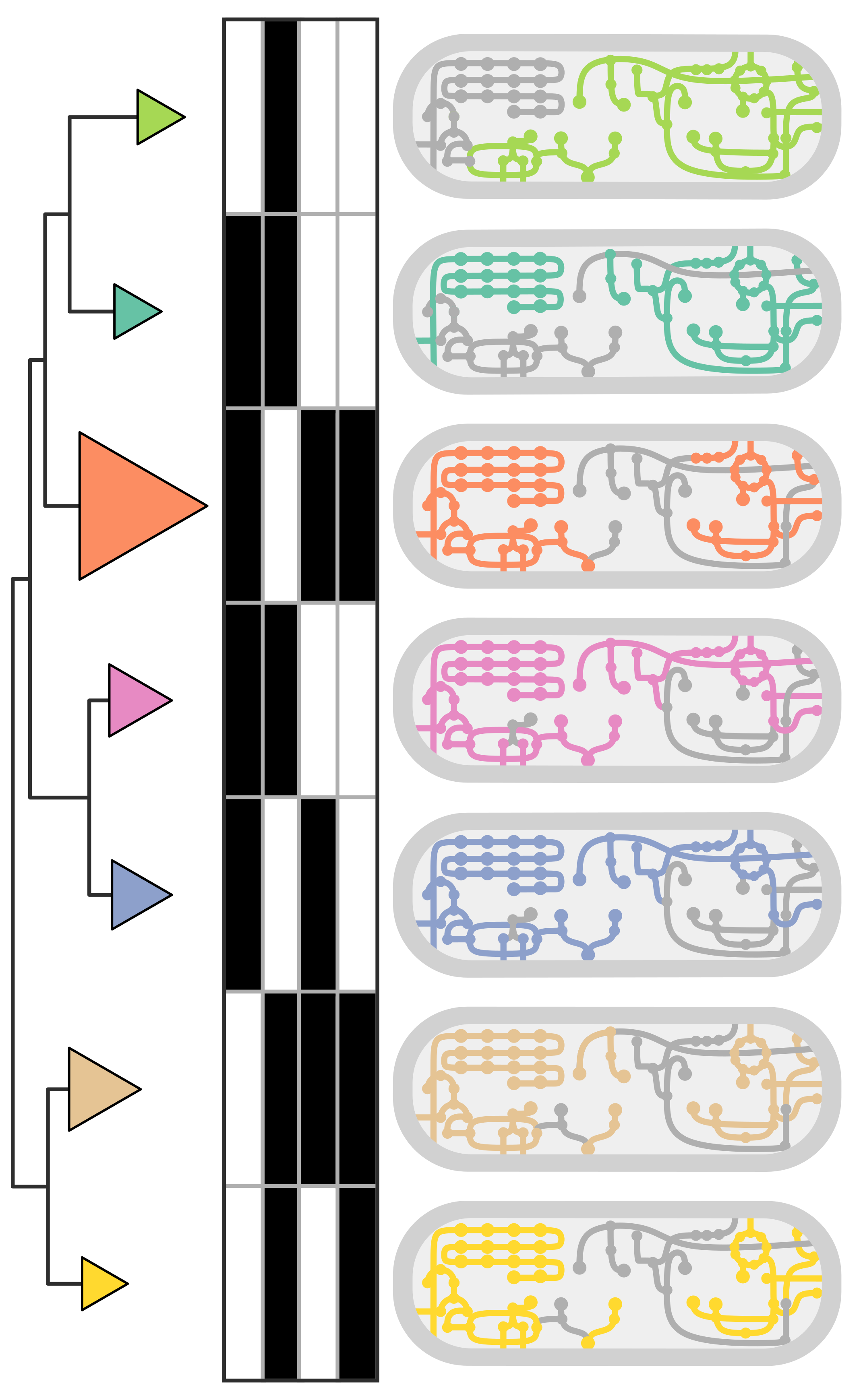
To address this, I’ve worked to determine the metabolic diversity and distribution of metabolism in Klebsiella pneumoniae, the World Health Organisation’s top priority pathogen. With my co-authors, we’ve published a number of research papers which overturned assumptions of metabolic uniformity in PLoS Biology, eLife, Genome Research, PLoS Pathogens and Microbial Genomics #1 and #2.
Pathogen Surveillance and spread of antibiotic resistance
Background: A key aspect of antimicrobial resistance and the pathogens that cause infections is understanding both pathogen identity and resistance genes. Most surveillance uses either phenotypic tests or molecular methods, both of which can be misleading.
To address this, I’ve employed large-scale genomic epidemiology to track the spread of bacterial pathogens within hospitals (Nature Communications), and the agricultural sector at Veterinary Research and BMC Veterinary Research.
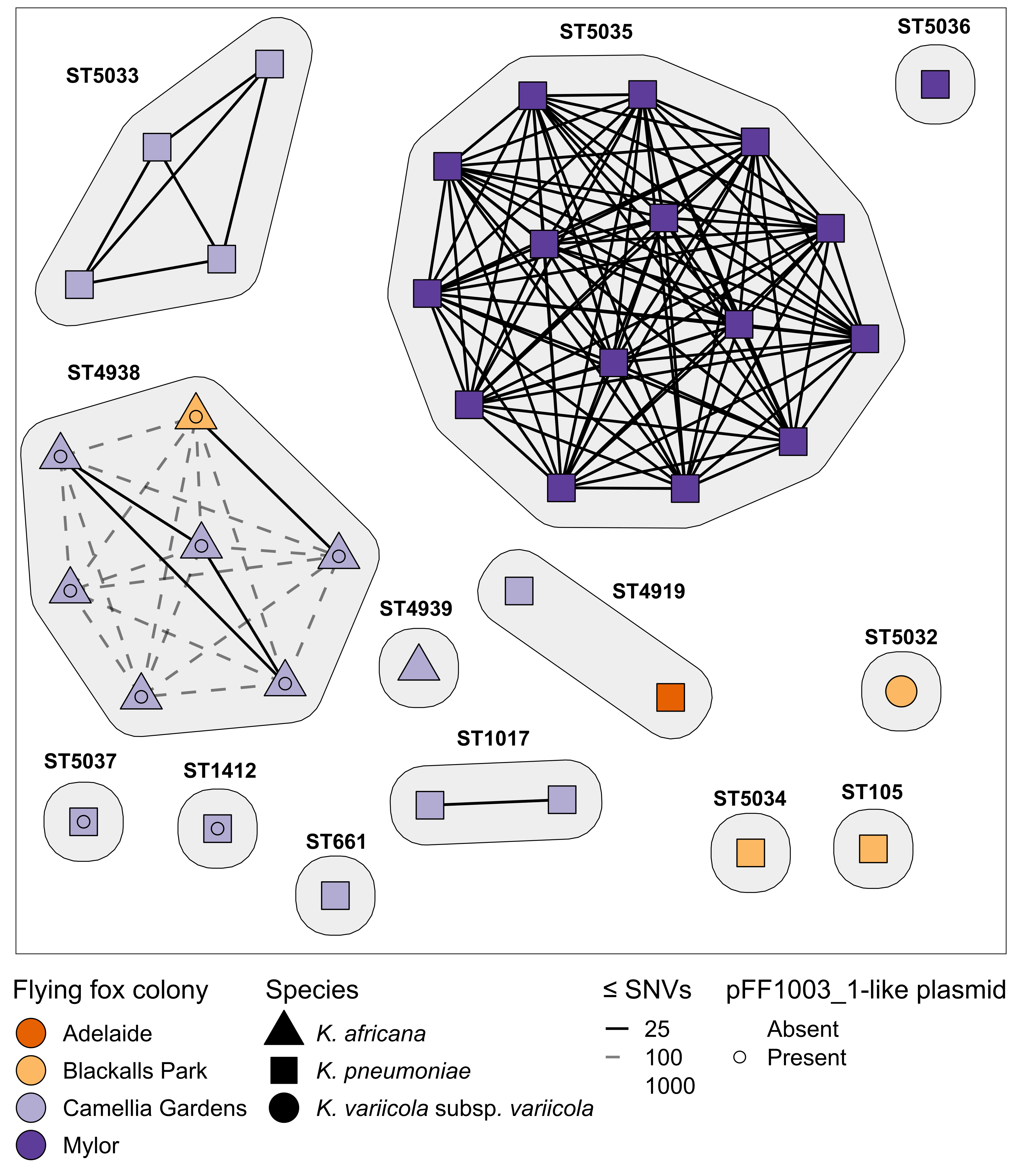
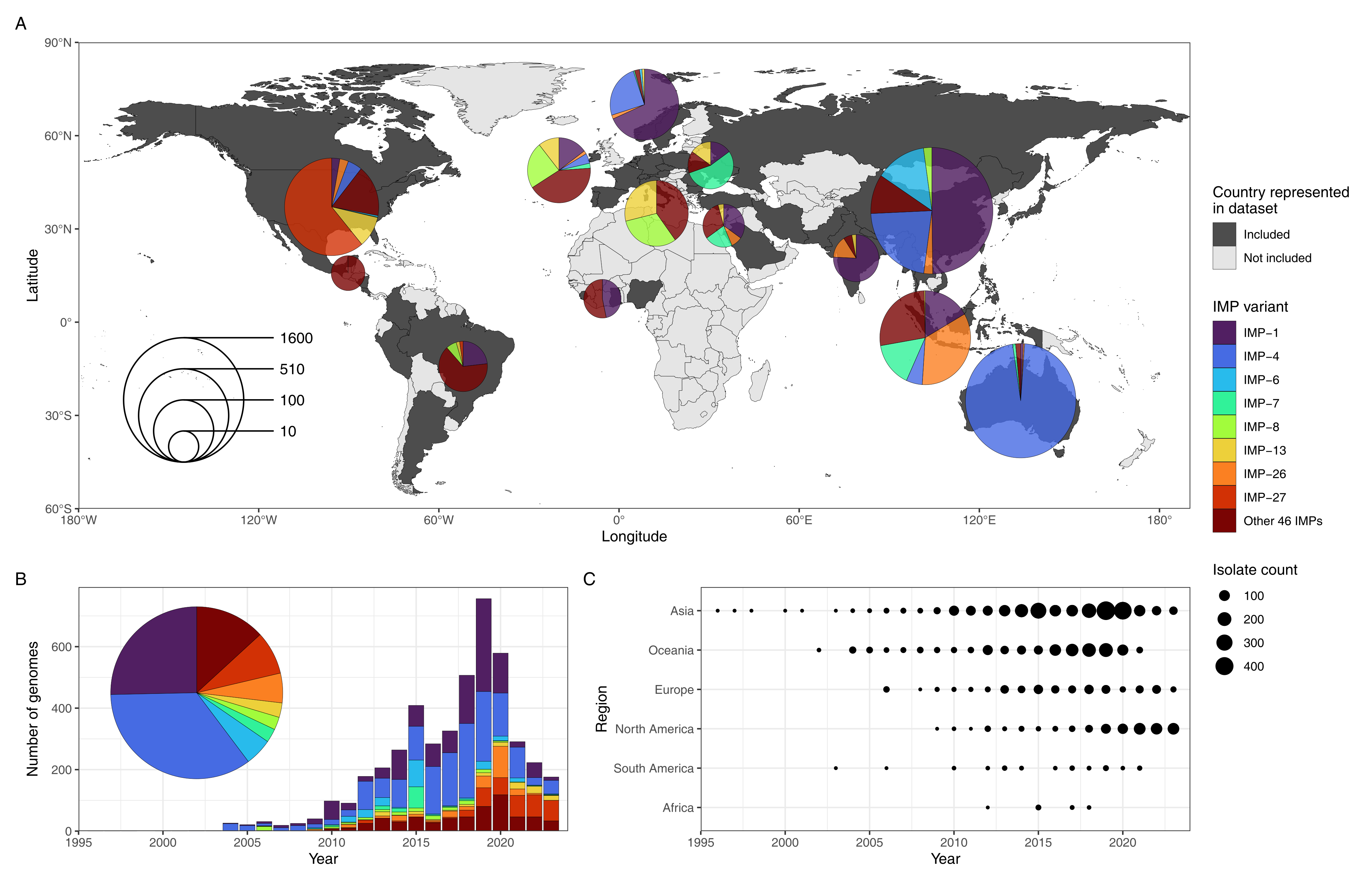
I’ve also tracked the spread of antibiotic resistance on a global scale at Nature Communications.
Discovery and characterisation of novel antimicrobials
Background: Finding new antimicrobials is an important intermediate stop-gap for addressing antibiotic resistance. Bacteria themselves produce antimicrobial proteins which can be harnassed against pathogens.
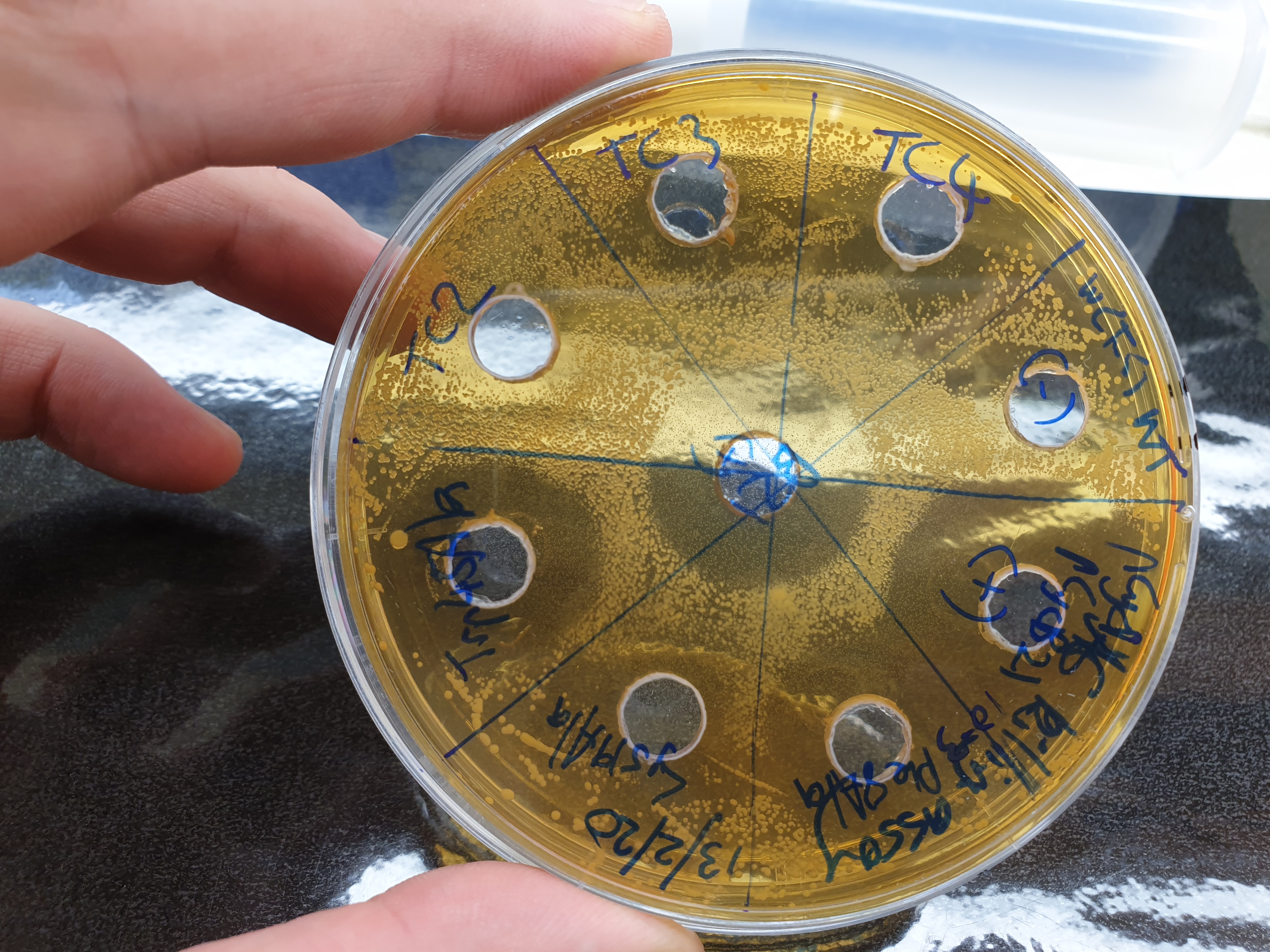
To address this, I have worked on the discovery of bacteriocins in Heliyon, BMC Microbiology, and determining how they work.
Bioinformatic and biotechnology tool development
Background: Progress in science requires the development of new tools and methods.
To address this, I have worked on the development of gene technologies, including novel expression systems in Applied and Environmental Microbiology, and targeted DNA sequencing in mSystems. In addition, I have been worked on development of bioinformatic tools in eLife and Genome Biology.